Responsible gambling at Rainbet
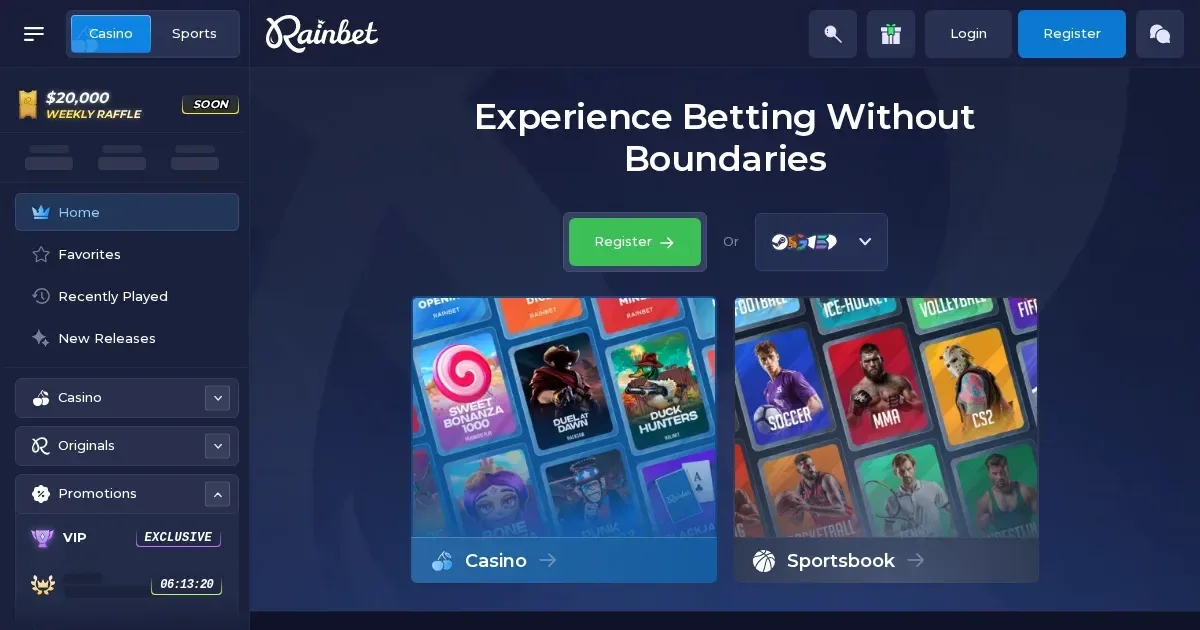















This page is here because gambling should always be entertainment, never something you feel you have to do. Rainbet offers casino games, live dealer tables and a sportsbook – all of them designed for enjoyment, not as a way to make money or solve financial problems. If the fun stops, or if you start chasing losses, it's time to step back.
Why responsible gambling matters
Online gambling is accessible around the clock, which makes it easy to lose track of time or spend more than you planned. Most people gamble without problems, but a small percentage develop habits that harm their finances, relationships or mental health. Recognising the warning signs early – and knowing where to find help – can make all the difference.
Rainbet is available to players aged 18 and over. Underage gambling is illegal in the UK, and sites like this one exist to provide information to adults who can make informed choices about their own play.
Warning signs: when gambling gets out of hand
These behaviours can indicate a problem:
- Spending more money or time than you intended, repeatedly.
- Chasing losses – depositing again to try to win back what you've lost.
- Borrowing money, selling belongings, or neglecting bills to fund gambling.
- Lying to family or friends about how much you gamble.
- Gambling to escape stress, anxiety or depression.
- Feeling restless or irritable when you try to cut down.
If several of these sound familiar, it's worth pausing and seeking support. You're not alone, and help is available.
A few questions to ask yourself
This is not a diagnosis, but an honest set of yes/no questions that can help you reflect on your gambling habits:
- Do you gamble until your balance is empty, even when you planned to stop earlier?
- Have you skipped work, family events or other commitments to keep playing?
- Do you feel guilty or ashamed after a session?
- Have you borrowed money to gamble, or used money meant for essentials?
- Do you gamble to forget about problems or to feel better?
- Have friends or family expressed concern about your gambling?
- Do you keep your gambling secret from people close to you?
- After losing, do you feel a strong urge to play again immediately?
If you answered yes to more than one or two, consider reaching out to one of the UK organisations below. A conversation costs nothing, and every call is confidential.
Rainbet's control tools
The operator provides three main responsible-gambling features:
| Tool | What it does |
|---|---|
| Cool-Off Periods | Restricts access to gambling features and prevents placing bets for a selected period. You choose the duration. |
| Self-Exclusion | Restricts access to the account for a chosen period of time or permanently. A 24-hour cooldown is applied first and must be accepted via email; after the cooldown ends, a follow-up email provides additional timeframes. Following a self-exclusion request, the account remains closed for a mandatory period of 90 days. |
| Loss Limit | Listed in the responsible gambling menu. Lets you set a ceiling on losses over a defined period. |
These tools are found in the account settings area. Setting a limit before you start – whether it's a loss cap, a time reminder, or a deposit ceiling – is one of the simplest ways to stay in control.
Tips for gambling sensibly
Good to know:
- Set a budget before you play, and treat it as the cost of entertainment – not an investment.
- Never gamble with money you need for rent, bills or other essentials.
- Take regular breaks. Walk away from the screen every hour, even if you're winning.
- Don't chase losses. If you've hit your limit, stop – tomorrow is another day.
- Avoid gambling when you're upset, tired, or under the influence of alcohol.
- Keep track of how much time and money you spend. Most operators provide a session history.
Where to find help in the UK
If you're concerned about your own gambling or someone else's, these UK organisations offer free, confidential support:
- National Gambling Helpline – 0808 8020 133, available 24 hours a day, 7 days a week. Run by GamCare.
- BeGambleAware – begambleaware.org provides information, advice and links to treatment services.
- GamStop – gamstop.co.uk is a free national self-exclusion scheme that blocks access to licensed gambling sites for a period you choose (6 months, 1 year, or 5 years).
- Gordon Moody – gordonmoody.org.uk offers residential and online treatment for problem gambling.
Blocking software
If you want to restrict access to gambling sites across all your devices, consider installing blocking software:
- Gamban – gamban.com blocks gambling sites and apps on computers, tablets and phones.
- BetBlocker – betblocker.org is free, multi-platform, and works on Windows, macOS, Android and iOS.
Protecting minors
Rainbet and this portal are strictly 18+ only. If you share a device with someone under 18, consider installing parental-control software such as Net Nanny or Qustodio to prevent underage access to gambling sites. It's also worth having an open conversation with young people in your household about the risks of gambling and why age restrictions exist.
If you have questions about the information on this page, you can reach the ra1nbet.uk editorial team at [email protected].
Gambling should be entertainment, not a chore. If it stops being fun, it's time to take a break.
This content is provided for information and marketing purposes. We are not a gambling operator, bookmaker or organiser of betting or gaming activity. This site is restricted to visitors aged 18 and over (18+). Free, confidential support with gambling is available at BeGambleAware.org.
Game Providers